Woven Wire Screen Mesh vs Rubber Screen Mats: A Better Solution for Reclaimed Material
When screening reclaimed or recycled material, inconsistent feed conditions can quickly expose the limitations of traditional woven wire screen mesh. Contamination, moisture, and excessive fines often lead to blinding, reduced throughput, and poor product quality.
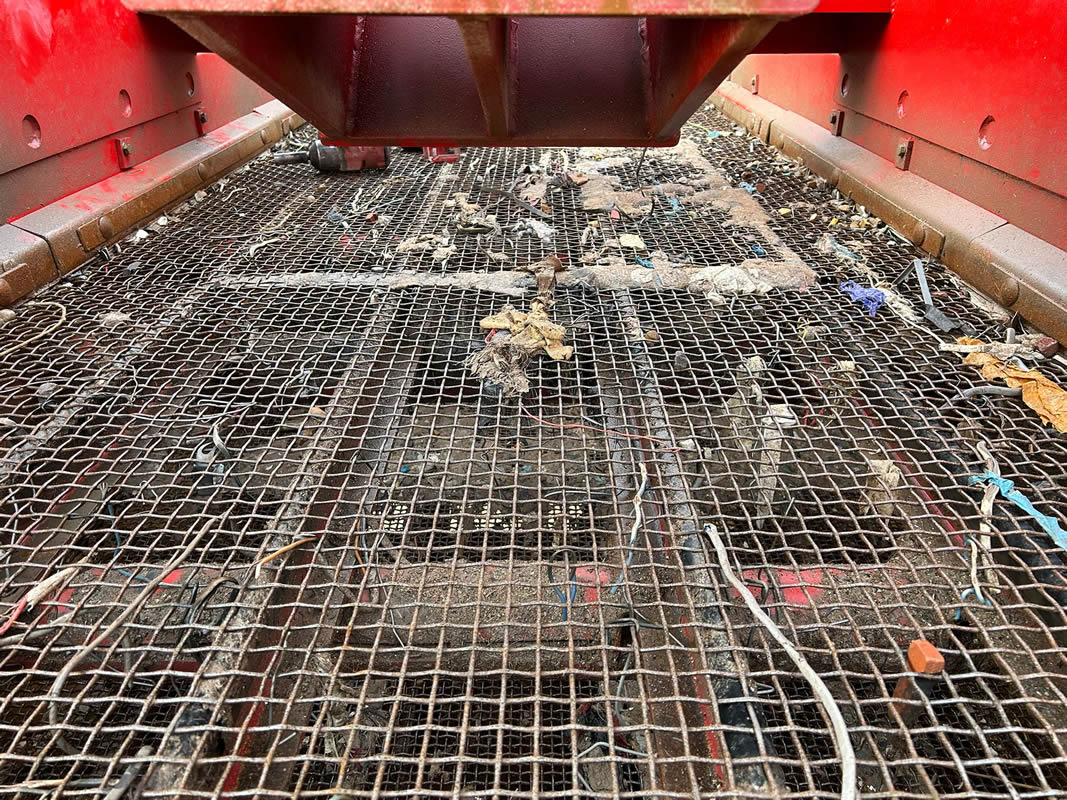
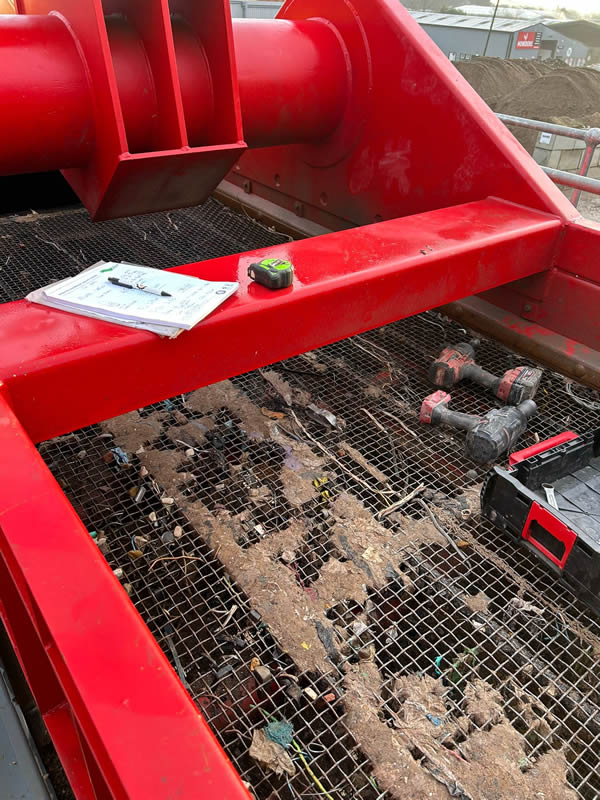
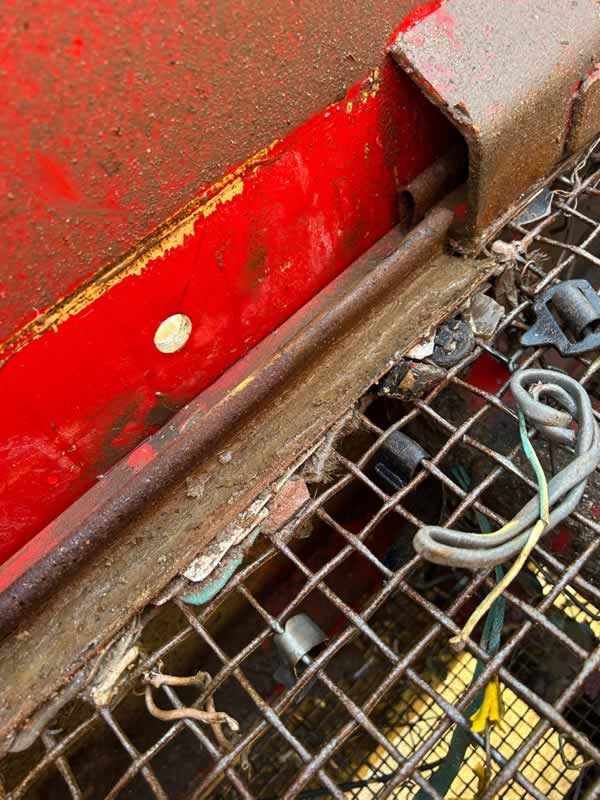
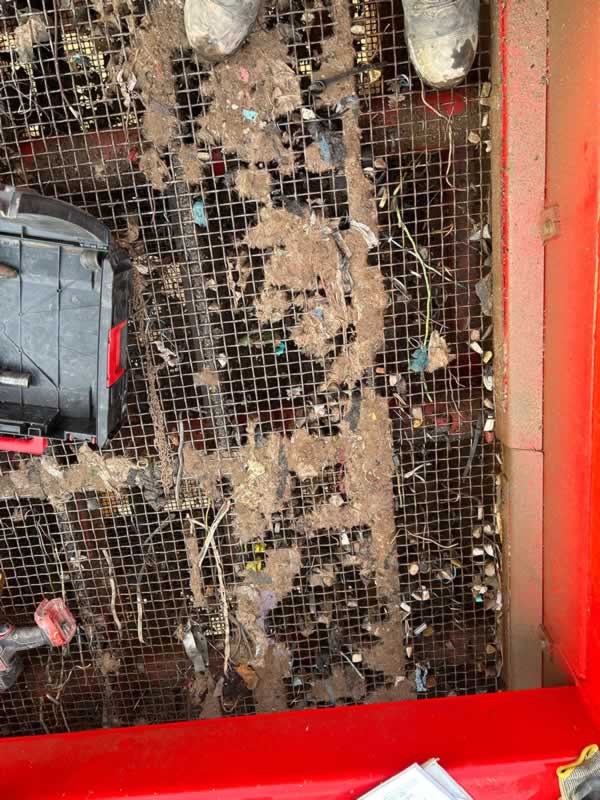
At Material Handling Products (MHP), we recently worked with a customer experiencing exactly this issue. Their side-tensioned screen deck was fitted with woven wire mesh, but because the reclaimed material wasn’t consistently clean, the wire was blinding rapidly and causing ongoing production problems.
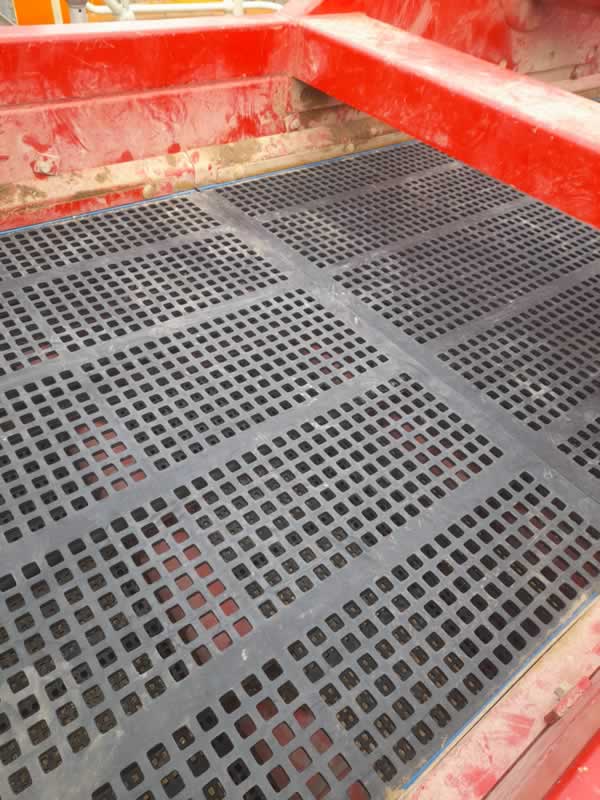
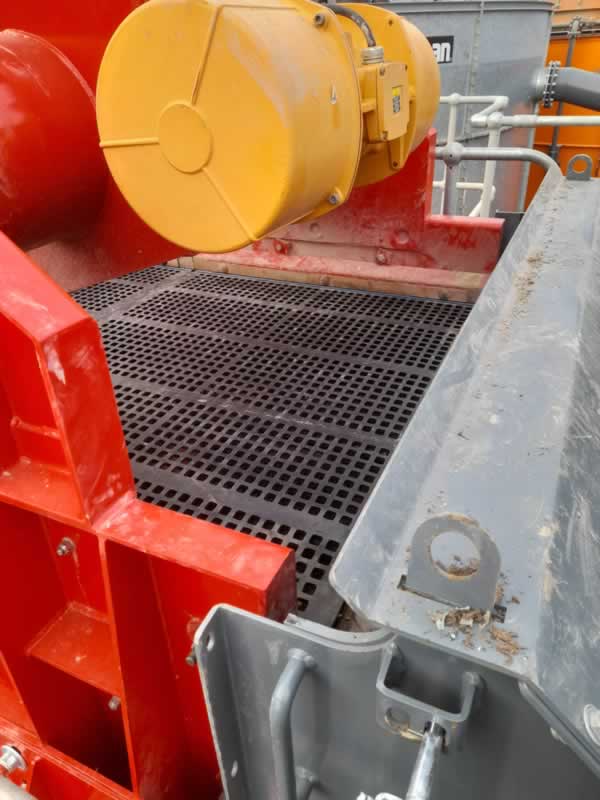
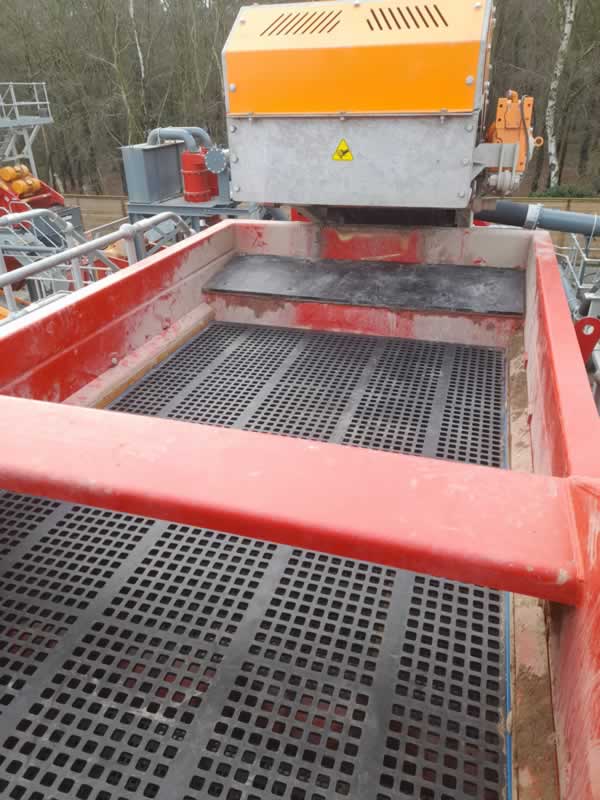
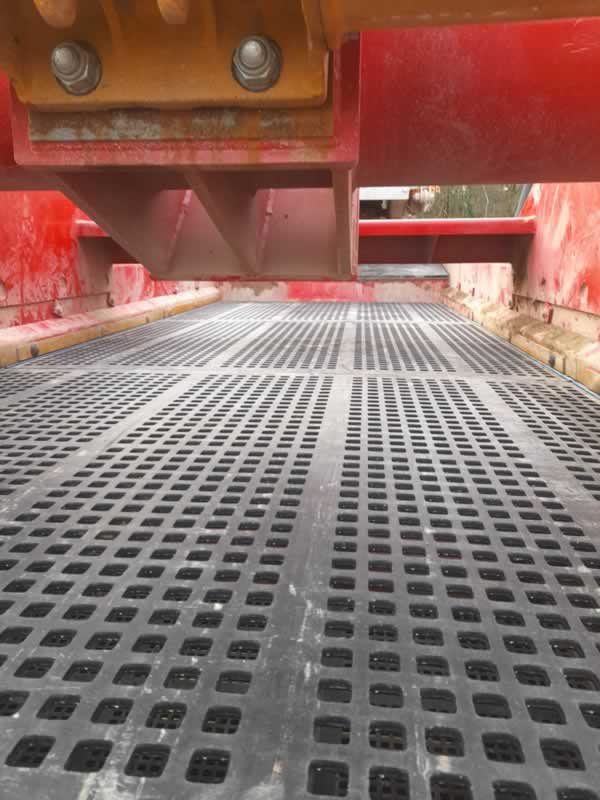
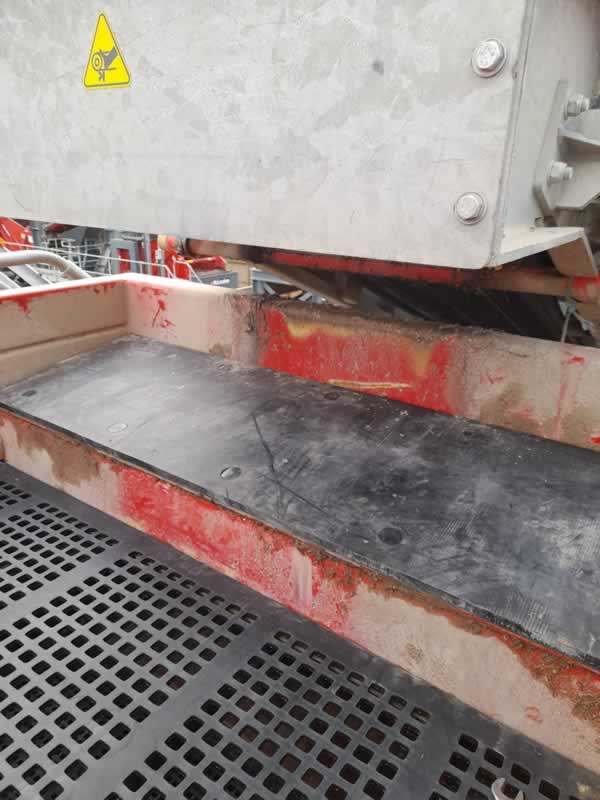
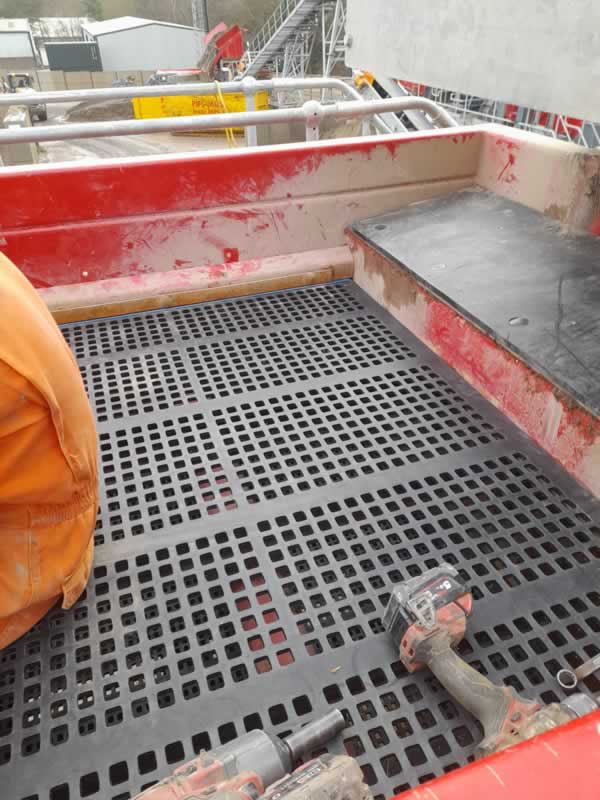
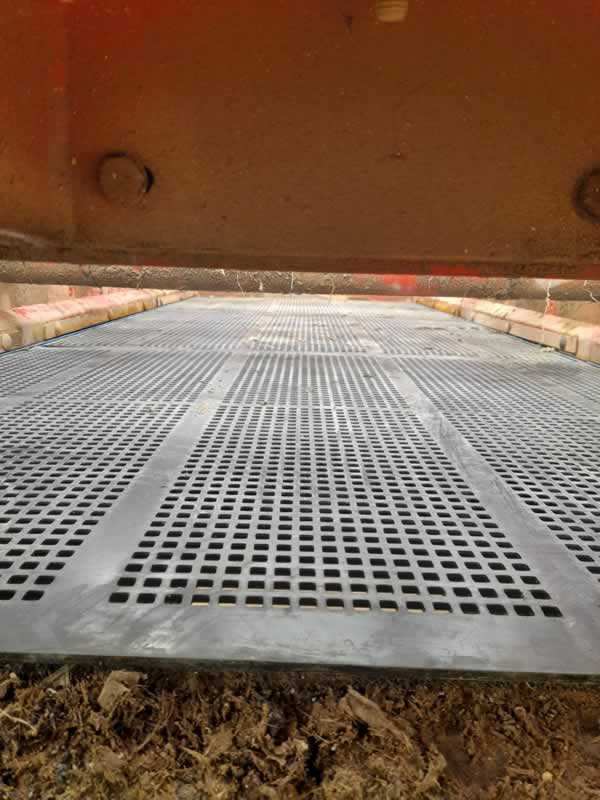
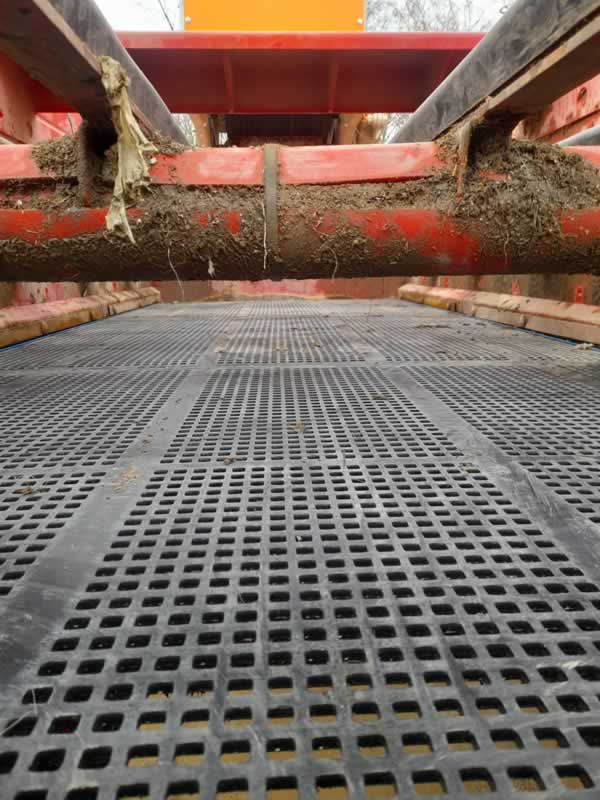
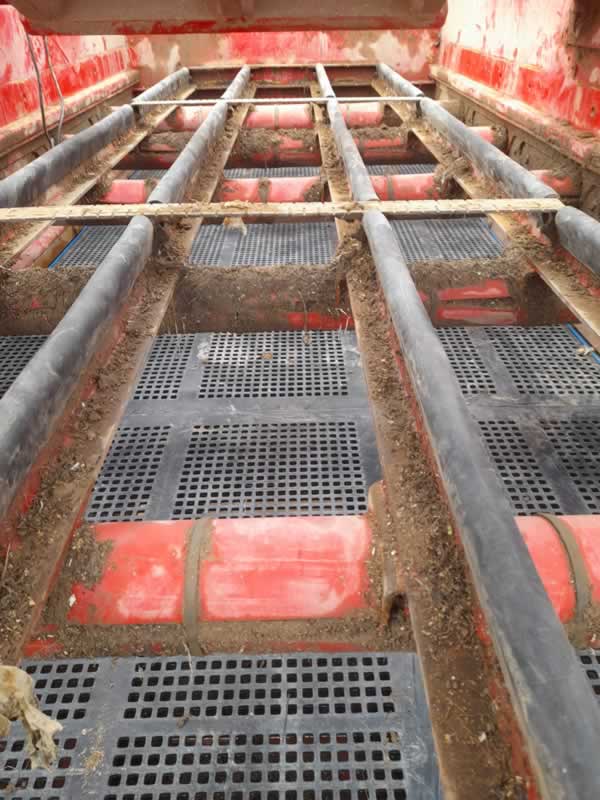
By converting the screen to side-tensioned rubber screen mats, the performance of the deck improved immediately.
The Limitations of Woven Wire Screen Mesh
Woven wire mesh is widely used due to its high open area and sharp screening accuracy. In clean, dry, and well-graded applications, it remains an effective solution. However, when material conditions are less predictable — as is often the case with reclaimed or recycled feed — wire mesh can become a liability.
Common issues include:
- High levels of blinding and pegging when fines or clay are present
- Reduced screening efficiency as apertures block
- Increased downtime for manual cleaning or media changes
- Inconsistent product grading affecting downstream processes
Once woven wire blinds, its rigid structure offers little opportunity for the material to clear naturally.
Why Rubber Screen Mats Perform Better in Reclaimed Applications
Rubber screen mats behave very differently under vibration. Their flexibility allows them to absorb energy and react to the material being processed, making them far more effective when handling dirty, damp, or mixed feeds.
Key benefits of rubber screen mats include:
Reduced Blinding and Pegging
The elastic nature of rubber allows apertures to open and close during operation, helping trapped fines release instead of lodging permanently. This is particularly valuable when screening reclaimed material with variable contamination levels.
More Consistent Screening Performance
Because rubber mats maintain a clearer effective open area over time, screening efficiency remains stable even as feed conditions change.
Lower Maintenance and Downtime
Less blinding means fewer stoppages for cleaning and longer operating periods between media replacements.
Improved Wear Life
Rubber absorbs impact energy and resists abrasion, making it well-suited to recycled and mixed material streams.
Reduced Noise and Vibration
An additional benefit of rubber media is quieter operation and reduced vibration transfer to the screen structure.
Designed and Tailored to the Application
One of the major advantages of rubber screening media is design flexibility. Unlike standard woven wire panels, rubber screen mats can be custom-designed to suit specific application requirements.
At Material Handling Products (MHP), we work closely with customers to understand:
- Material type and condition
- Levels of fines, moisture, or contamination
- Required cut size and throughput targets
- Screen type, deck configuration, and operating parameters
This collaborative approach allows us to tailor:
- Aperture size and shape
- Open area
- Mat thickness and wear zones
- Panel layout within the side-tensioned system
The result is a screening solution optimised for the material — not a generic product forced into a difficult application.
The Result
After converting from woven wire mesh to rubber screen mats, the customer saw a clear improvement in material flow and product quality. Blinding was dramatically reduced, throughput became more consistent, and unplanned downtime dropped — all without major changes to the screening equipment itself.
Choosing the Right Screening Media
While woven wire screen mesh still has an important role in clean and controlled environments, reclaimed and recycled materials often require a more adaptable solution.
Side-tensioned rubber screen mats, particularly when designed specifically for the application, offer a reliable and cost-effective way to reduce blinding, improve efficiency, and stabilise production.
If blinding is affecting your screen performance, the issue may not be the machine — but the screening media fitted to it.
Find Out More
To find out more call Materials Handling Products today on 01283 226 624 or email us on info@m-h-p.co.uk.